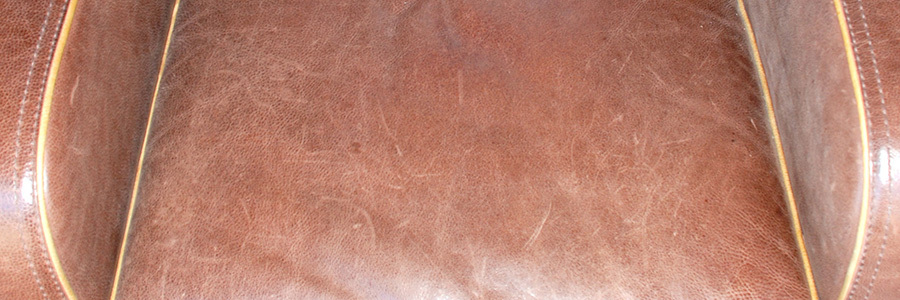


Aniline Waxy Matte Leather Dye Refinishing Kit AM3.cl by Leather Doctor degrease, acidify, clean, rinse, hydrate, fatliquor, dye, seal, and condition waxed leather.








Click link for details:
✅ Degreaser 2.2
✅ Soft 3.8
✅ Rinse 3.0
✅ Acidifier 2.0
✅ Hydrator 3.3
✅ Fatliquor 5.0
✅ Dye 21
✅ Matte 21
✅ Protector W
✅ Brush 1
✅ Foam Brush 2
✅ Towel 5
✅ Leather Eraser 4
✅ Sandpaper 2000
Instruction:
1 Degreasing with Degreaser 2.2
- Degreaser 2.2 is shaken well to coagulate.
- It is saturated to reach penetrated soiling with appropriate brushes and erasers and extracted with Towel 5 equivalent until it shows clean.
- It is reapplied and allowed to dwell 3 to 30 minutes or before it dries for a complete soiling suspension and extracted until it shows clean.
2 Cleaning with Soft 3.8
- Before use, the Soft 3.8 concentrate, a ratio of 1 to 64, is mixed with 224g distilled water, or 1.5 inches from the top of the 8oz bottle.
- It is shaken well, applied, and brushed with leather Brush 1 and towel extract until the towel shows clean.
3 Rinsing Rinse 3.0
- Before use, the Rinse 3.0 concentrate, a ratio of 1 to 80, is mixed with 224g distilled water, or 1.5 inches from the top of the 8oz bottle.
- It is shaken, applied, and brushed with Leather Brush 1 and extracted with a towel until it shows clean and the leather takes a squeaky, healthy feel.
4 pH Balance with Acidifier 2.0
- Before use, the Acidifier 2.0 concentrate, a ratio of 1 to 25, is mixed with 224g distilled water, or 1.5 inches from the top of the 8oz bottle.
- It is applied directly, brushed, and extracted with Towel 5 until clean.
- It is kept for 3 to 30 minutes to control dye bleeding or surface tackiness.
- Treatment is complete with a test for a healthy squeaky feel.
5 Hydrating Hydrator 3.3
- Before use, the Hydrator 3.3 concentrate, a ratio of 1 to25, is mixed with 218g of distilled water, or 1.5 inches from the top of the 8oz bottle.
- It is applied from the surface or accelerates saturation by working on the reverse side for a quick darkening effect.
- A 3 minutes to 72 hours dwell to activate dormant dyestuff to resurface for an effective relaxing results.
- Creases, wrinkles, or shrinkage is stake, massage, and stretch to dimension ready for fatliquoring.
- Leaving overnight for long dwell, Mold Killer 3.6 may be needed to control potential mold growth.
6 Softening with Fatliquor 5.0
- Before use, the Fatliquor 5.0 concentrate, a ratio of 1 to 5, is mixed with 189g warm distilled water, or 1.5 inches from the top of the 8oz bottle.
- It is applied and redistributed with appropriate brushes or pads until the thickness of the leather is saturated.
- The application is repeated each time water content evaporates, until it absorbs no more.
- Sticky residue is further driven into the leather structure or rinsed off with Hydrator 3.3.
- Fatliquored leather is left to dry naturally for extra softness.
- Fatliquored leather is further staked, massaged, flexed or stretched accordingly with a little wet back with Hydrator 3.3 until dry for extra suppleness.
- Surface tension is also inspected with Hydrator 3.3 using a folded towel to check for even absorbency, avoiding blotchiness ready for Dye 21.
7 Dyeing with Matte 50
- Before use, the Matte 50 concentrate, a ratio of 1 to 1, is mixed with 57g distilled water, or 1 inches mark from the top of the 4oz bottle.
- Check for surface tension with Hydrator 3.3 to ensure free of surface grease to avoid poor adhesion.
- Use Primer 73 to ensure proper adhesion.
- It is applied onto the surface of the leather by Foam 2, folded Towel 5, or airbrushing for the desired result.
8 Conditioning with Conditioner W
- Before use, Conditioner W concentrate, a ratio of 1 to 19, is mixed with 215g distilled water, or 1.5 inches from the top of the 8oz bottle.
- It is shaken, applied, and spread with a Foam 2 or folded Towel 5 and is ready to use when dry.
9 How to Identify Leather Stains?
Stain identification is crucial for effective treatment and is based on six key factors:
Appearance, Odor, Color, Feel-of-Hand, Location, and Buildup or Absorption.
1. Appearance
Observing the stain looks can indicate whether it is a spill, rub-on, penetration, or surface deposit.
Some stains may cause dye or finish damage, revealing changes in the leather’s color or texture.
2. Odor
Smelling the stain can help identify its source.
Common odors include:
- Moldy (fungal growth)
- Smoke (fire or cigarette exposure)
- Putrid (decaying organic matter)
- Ammonia (urine contamination)
3. Color
Color provides a clue to the staining substance but can change over time due to oxidation.
The leather’s natural color may also influence how the stain appears.
- Red stains: Could be from wine, blood, lipstick, nail polish, or beverages.
- Blood stains: Blood can oxidize, shift from red to tan, and then black.
4. Feel-of-Hand
Touching the stain helps determine its type:
- Sticky: Likely from candy, beverages, or sugary substances.
- Brittle and stiff: This could indicate nail polish, paint, or shellac.
- Greasy smear: Often caused by lipstick, oils, or butter.
5. Location
The stain’s location on the leather provides hints about its origin.
- Headrests & armrests: Usually stained by body oil, sweat, and grease.
- Seat cushions: Often show food or beverage spills.
6. Buildup or Absorbed?
Stains can be surface-level (built-up) or deeply absorbed into the leather.
- Built-up stains (common on pigmented leather) include paint, food residue, and ink.
- Absorbed stains (common on nubuck, aniline, and unfinished leather) include wine, tea, and coffee.
- Combination stains: Some stains contain absorbed and surface elements, such as lipstick, ink, and mustard.
- Protein-based stains: Examples include blood, dairy, and egg-based spills.
- Oil-based stains: Often come from grease, butter, and lotions.
- Colloidal stains: These may require specialized treatments.
7. Additional Considerations:
- Sweat stains can chemically alter leather, causing tackiness (when dry) or sliminess (when wet).
- Dye stains may show when wiping with a white towel—indicating color crocking.
- Fatliquor leaching (spew) appears as a milky film and causes leather to become stiff and prone to cracking.
By carefully identifying the stains, you can apply the appropriate Leather Doctor® specialty product system to restore leather to its original beauty.
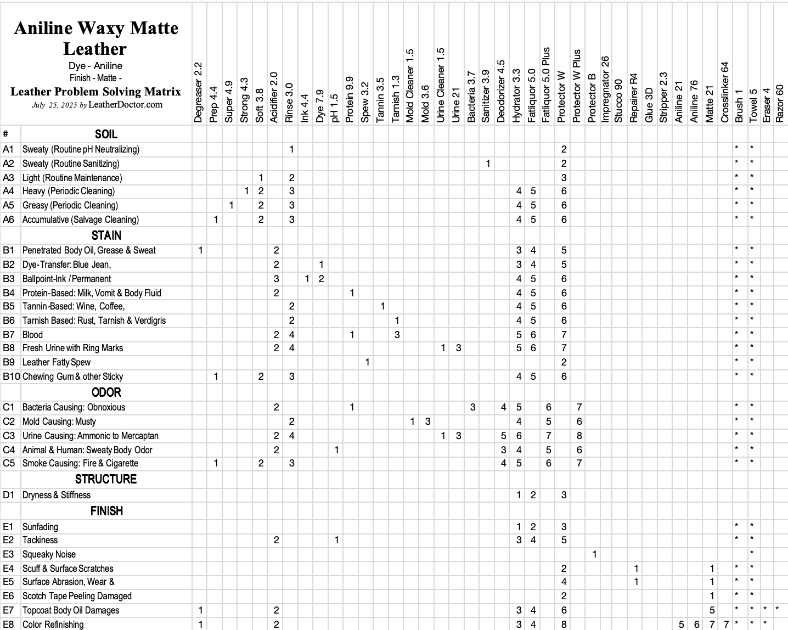
9 How to Use the Aniline Waxy Matte Leather Problem-Solving Matrix?
The matrix categorizes common issues with aniline leather into five groups: Soil, Stain, Odor, Structure, and Finish (listed in the left column). Corresponding recommended products are displayed across the top row. Each number within the matrix indicates the steps required to address the problem holistically.
For example:
If a leather issue involves an unknown compound that combines soil, stain, and odor, follow the sequence across the matrix, combining necessary steps from each category. The process should always conclude with:
- Hydrator 3.3 to rehydrate and relax the leather.
- Fatliquor 5.0 to replenish lost fats and oils, restoring suppleness.
- Protector W conditioning the leather for ongoing durability.
10 Technical Help and Support?
- Technical help and support are available free from the link below:
- https://www.leathercleaningrestorationforum.com/forum/forumdisplay.php?5-Leather-Upholstery-Forum
Thank you for your input on improving this writing. Comments are welcome!
Edited: March 16, 2025 by Roger Koh.